New Horizons for Robust AI: ELLIS Doctoral Symposium 2025 in Warsaw
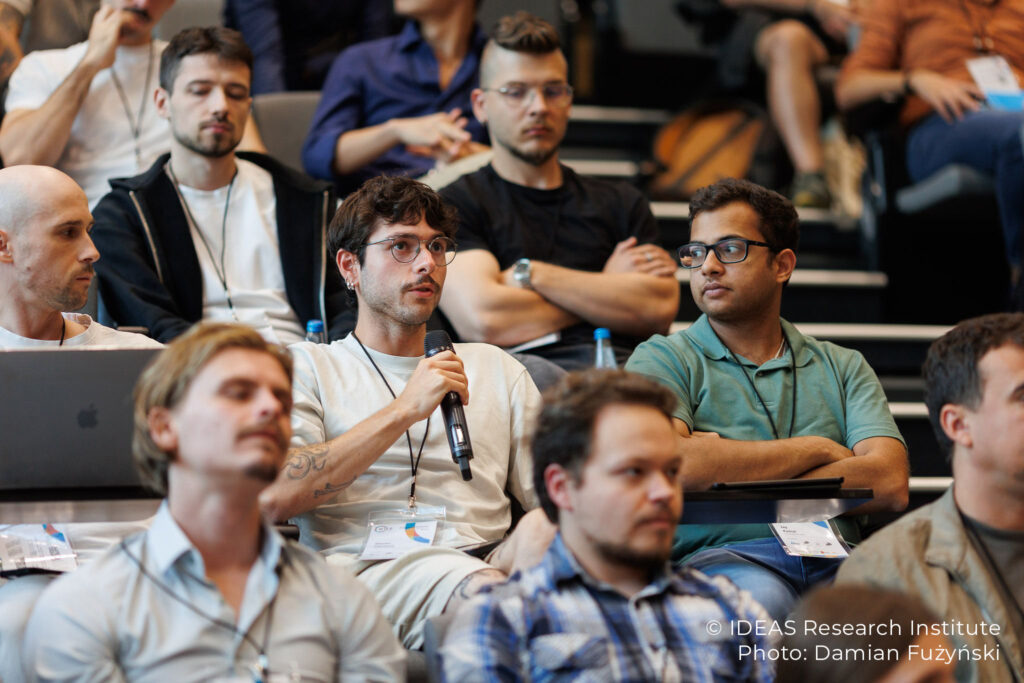
From 25 to 29 August 2025, Warsaw played host to the ELLIS Doctoral Symposium (EDS), a major European gathering devoted to the theme of robust artificial intelligence. Nearly 180 attendees, including doctoral students, invited experts, industry representatives, and honorary patrons, came together for a week of scientific exchange and networking. Having grown steadily since its first edition in Tübingen in 2021, and following subsequent meetings in Alicante, Helsinki, and Paris, the Warsaw symposium reaffirmed EDS as a cornerstone event for young AI researchers across Europe.
The 2025 edition was organized by the ELLIS Unit Warsaw at the IDEAS Research Institute in cooperation with the University of Warsaw.
Program Overview and Featured Sessions
The symposium began on Monday with a ceremonial opening and a keynote delivered by Petri Myllymäki (ELLIS Fellow, University of Helsinki), who spoke on “AI for the Good of Humankind.” Shortly afterwards, a panel titled “Social Responsibility and Ethics in AI” brought together Myllymäki, Paulina Tomaszewska (Warsaw University of Technology), Tuan Trinh (EIT Digital), and Ewa Dolińska-Wysocka (University of Silesia), with moderation provided by Alicja Ziarko (University of Warsaw).
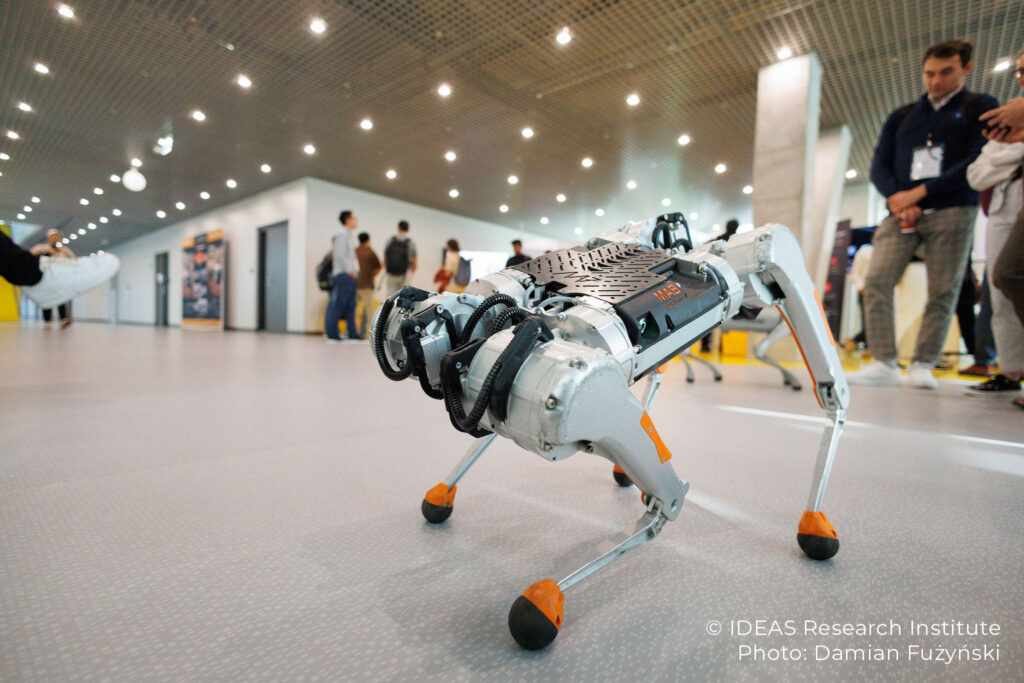
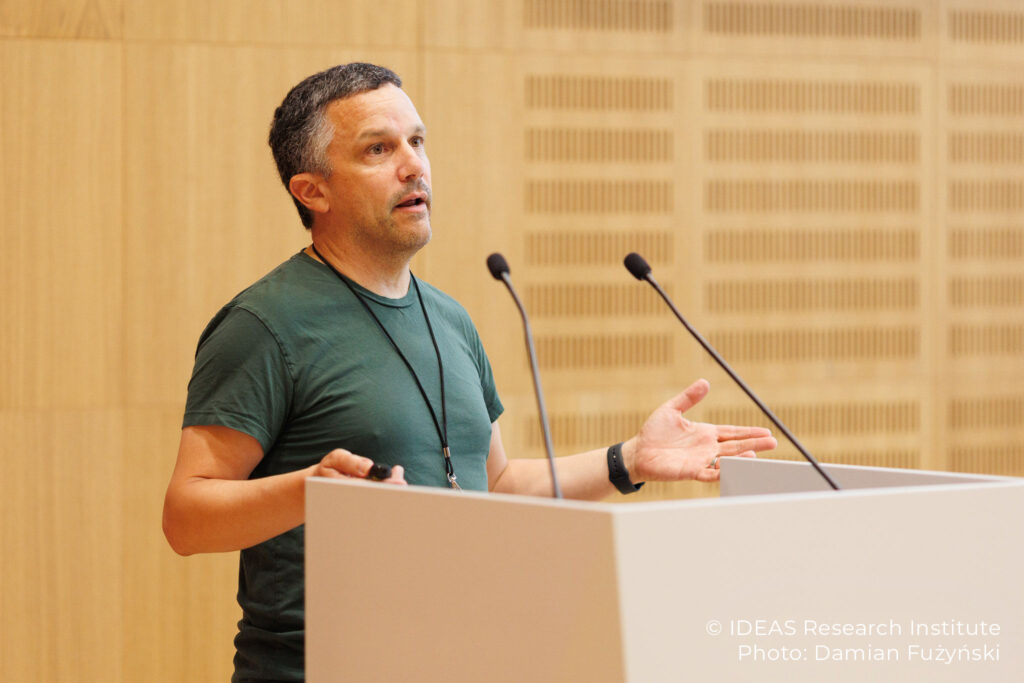
Tuesday’s sessions were centered on robotics. The day opened with Dario Floreano (ELLIS Fellow, EPFL), who discussed challenges and opportunities in drone systems inspired by biological principles. His presentation was followed by a panel debate, “Rethinking AI Through the Lens of Robotics,” featuring Floreano, Davide Scaramuzza (ELLIS Fellow, University of Zurich), Philip Piatkiewicz (ADRA), and Krzysztof Walas (Poznań University of Technology), moderated by Przemysław Kornatowski (WUT). In the afternoon, Scaramuzza returned to the stage with a keynote on agile vision-based robotics.
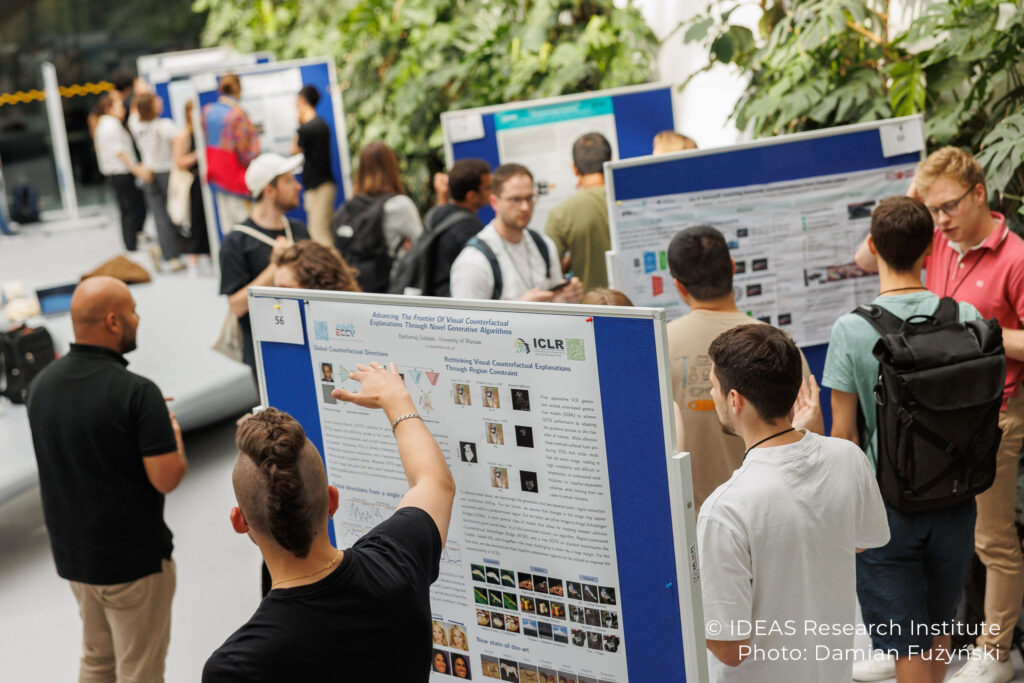
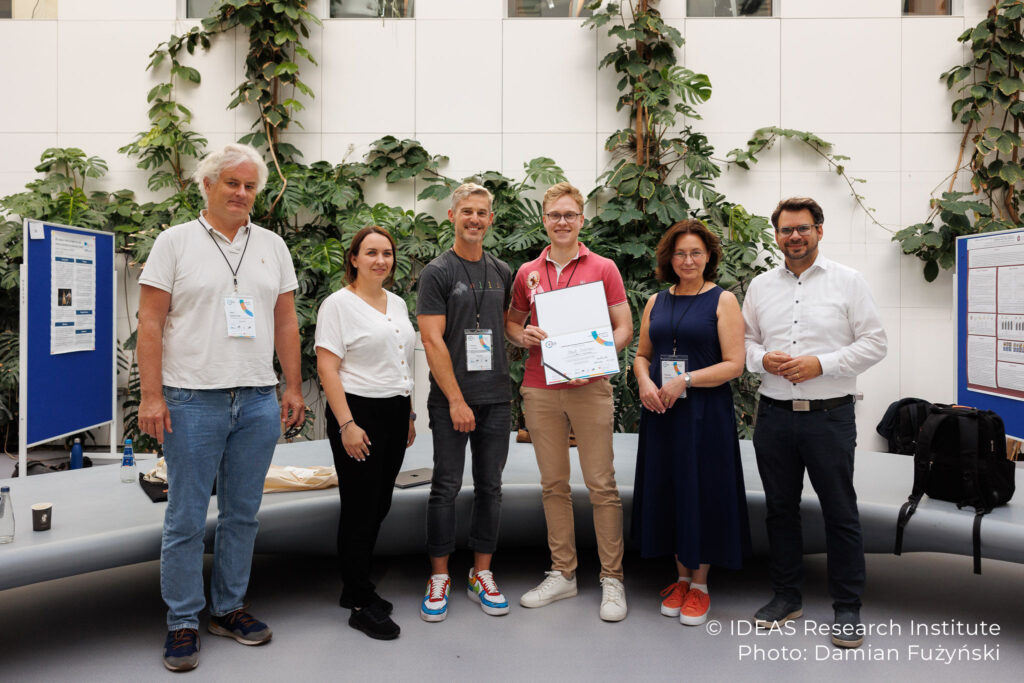
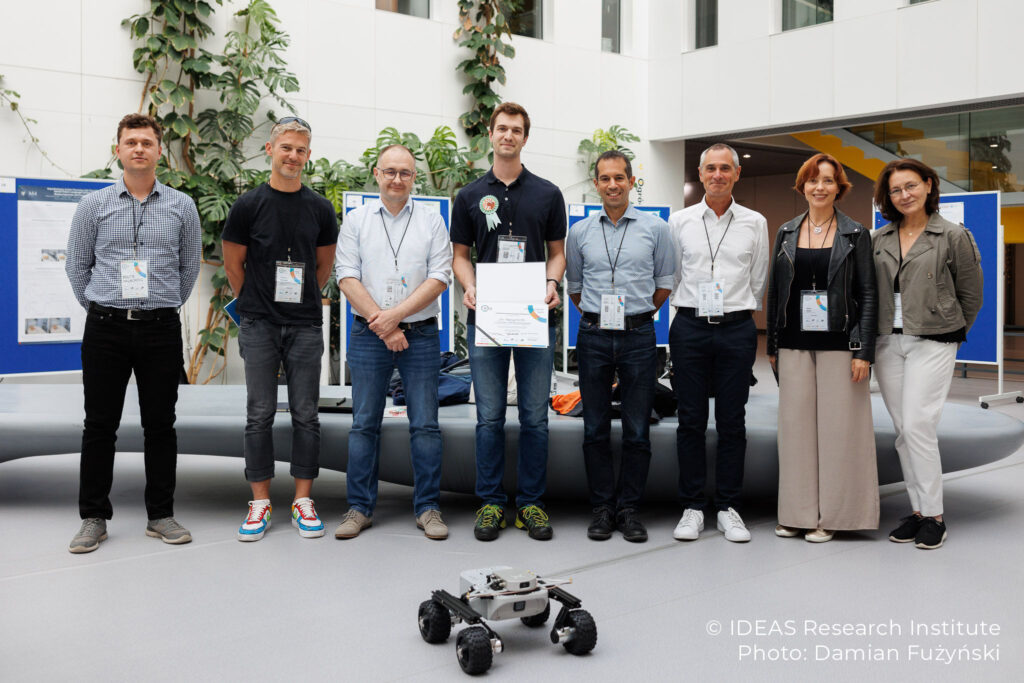
Tuesday also featured industry elevator pitches, a combined Academy & Industry Fair with a poster session, and culminated in a gala dinner at Warsaw’s historic Forteca. During the poster session, a special robotics prize sponsored by Leo Rover was awarded to Jan Węgrzynowski (IDEAS Research Institute).
The scientific program continued in the following days with talks delivered by leading researchers from across Europe. Wednesday opened with Ewa Szczurek (University of Warsaw), who presented advances in generative AI applied to molecular discovery. Later, Pau Rodríguez López (Apple Machine Learning Research, UAB) explored novel techniques for controlling generative models in his lecture “From Experts to Distributions”.
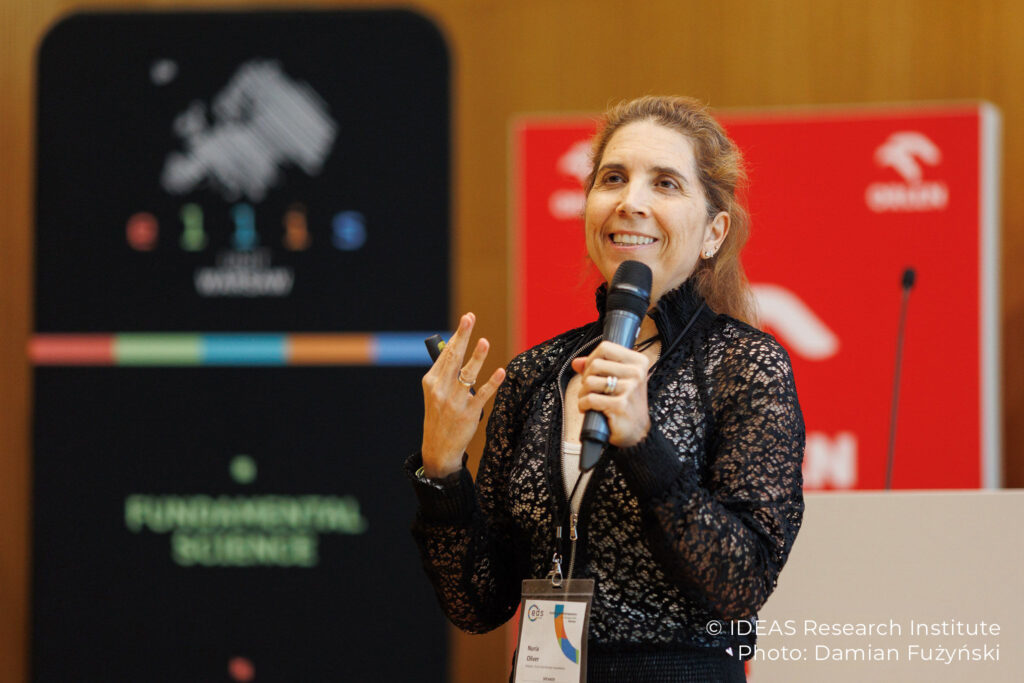
On Thursday, attention shifted toward social and ethical dimensions of AI. Serge Belongie (ELLIS President, University of Copenhagen) examined the role of AI-driven narratives in contemporary social media ecosystems. Later, Nuria Oliver (ELLIS Vice-President, ELLIS Alicante) focused on the importance of fairness and inclusivity in AI development and deployment.
Friday’s keynote was delivered by Alexandra Birch-Mayne (University of Edinburgh), who discussed robust natural language processing in multilingual settings, outlining both the opportunities and risks associated with building AI systems for diverse linguistic environments.
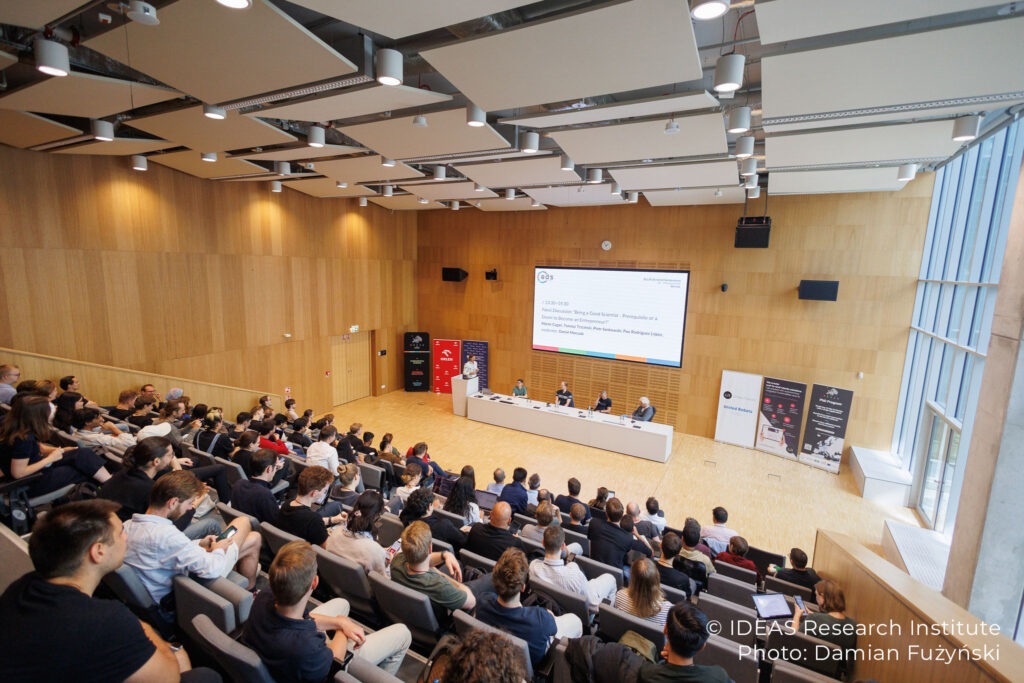
The symposium also offered panels encouraging reflection on scientific careers, including “Being a Good Scientist – Prerequisite or Doom to Become an Entrepreneur?”, featuring Marek Cygan (University of Warsaw), Tomasz Trzciński (ELLIS Unit Warsaw), Piotr Sankowski (University of Warsaw), and Pau Rodríguez López, moderated by Daniel Marczak (WUT).
Poster sessions throughout the week allowed early-career researchers to present their work and engage with peers. In the category of non-robotics posters, the jury awarded the prize funded by the Embassy of Switzerland in Poland to Olaf Dünkel (ELLIS PhD Student at MPI Informatics / University of Oxford).
Beyond the academic program, attendees had the chance to explore Warsaw, including a guided tour of the Old Town, offering insight into the city’s cultural and historical landscape.
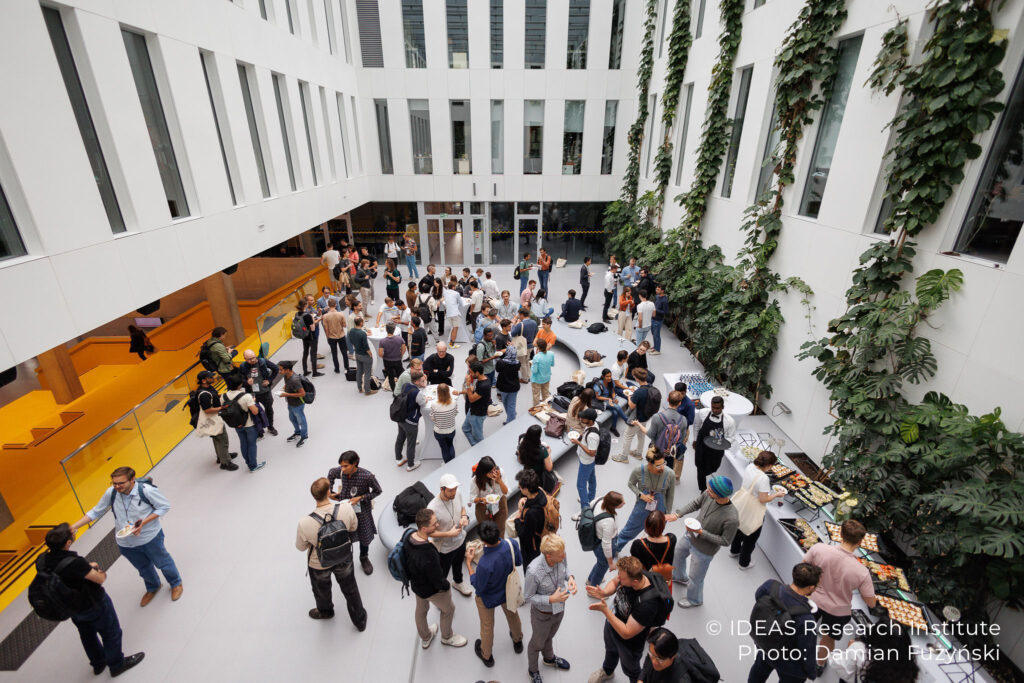
A major attraction of the event was the industry fair, where technology companies and start-ups showcased their innovations in AI and robotics. The fair strengthened the dialogue between academia and the private sector and created opportunities for future collaboration.
Participants were also introduced to various research mobility funding schemes, including EU Marie Skłodowska-Curie Actions and programs offered by the Polish National Agency for Academic Exchange (NAWA). This session was led by Marta Muter from NAWA’s Department of Programs for Scientists and MSCA National Contact Point.
Honorary Patrons and Supporting Partners
EDS 2025 was held under the honorary patronage of:
• the Ministry of Digital Affairs of the Republic of Poland
• the Ministry of Finance of the Republic of Poland
• the Mayor of the Capital City of Warsaw
• the Polish Tourism Organisation
The event was supported by a wide range of partners, including the University of Warsaw, ML in PL, the Embassy of Switzerland in Poland, ORLEN S.A., G-Research, Google, Edu4Industry, ADRA, Leo Rover, Bosch Magyarország, ELIAS – European Lighthouse of AI for Sustainability, and ELSA – European Lighthouse on Secure and Safe AI.
The Role of EDS in the ELLIS Ecosystem
The ELLIS Doctoral Symposium remains a central event in the ELLIS PhD & Postdoc Program, which links outstanding young researchers working on artificial intelligence across Europe. EDS supports scientific excellence, interdisciplinary cooperation, and community building, offering participants both advanced technical insights and opportunities to form long-lasting professional connections. It is one of the key platforms where emerging AI scientists meet established leaders in the field.
During the closing ceremony, it was announced that the next edition, EDS 2026, will take place in Lisbon, Portugal.